
Best Pest Control Practises
Every year, Kiwi homeowners lose millions of dollars battling destructive pests that threaten their properties and peace of mind. You’ll find that New Zealand’s unique ecosystem demands specific approaches to pest control that you won’t see anywhere else in the world.
From the notorious possum problems in our bush areas to the persistent German cockroach infestations in urban dwellings, you’re facing challenges that require local expertise and proven methods. Let’s explore the most effective strategies that’ll protect your home and maintain our country’s biosecurity.
In New Zealand’s unique ecosystem, effective pest control in Napier requires a thorough understanding of both native and invasive species.
For residential pest control, you should first identify the specific pest using MPI’s identification resources.
Then, select control methods approved by WorkSafe NZ, such as traps or authorized pesticides.
Don’t forget to check the HSNO Act requirements if you’re using chemical controls.
When dealing with agricultural pests, consult your regional council’s pest management plan.
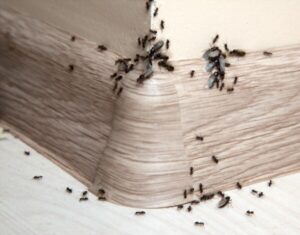
They’ll provide specific protocols for controlling insects, weeds, and vertebrate pests while protecting beneficial species and maintaining compliance with New Zealand’s biosecurity regulations.
Breaking down pest control into clear sections helps you implement effective management strategies while maintaining compliance with New Zealand regulations.
The key sections you’ll need to address include:
Prevention: Installing barriers, sealing entry points, and maintaining clean environments
Identification: Accurately determining pest species using MPI guidelines
Assessment: Evaluating infestation levels and potential risks
Control Methods: Choosing between chemical, biological, or physical control options
Documentation: Recording treatments and outcomes as required by NZ law
Monitoring: Implementing ongoing surveillance systems
Safety Protocols: Following WorkSafe NZ requirements for chemical handling
Environmental Considerations: Protecting native species and ecosystems
Integrated Pest Management: Combining multiple control strategies
Professional Support: Knowing when to engage licensed pest control operators
Compelling imagery elevates pest control documentation by providing clear visual references for accurate species identification and control methods.
You’ll want high-resolution photographs that capture essential diagnostic features, behavior patterns, and evidence of pest activity. National Geographic-style images should include macro shots of insects, detailed views of damage patterns, and contextual environmental photos.
For professional pest control documentation, you’ll need crisp, well-lit photographs showing key identifying characteristics like wing patterns, body segments, and size comparisons.
Include images of pest entry points, nesting sites, and structural damage. Guarantee your photos demonstrate proper safety equipment and application techniques.
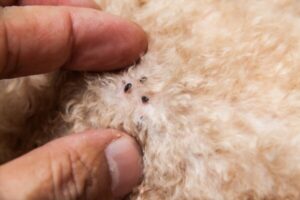 Quality images will help you identify pest species accurately, document infestations properly, and demonstrate effective control measures to clients and regulatory agencies.
Effective pest control requires a systematic approach that combines prevention, monitoring, and targeted treatment methods to protect homes and businesses from unwanted invaders.
You’ll need to focus on integrated pest management (IPM), which emphasizes long-term prevention through habitat modification, biological controls, and chemical applications only when necessary.
Start by identifying entry points and sealing gaps around pipes, windows, and doors. Install mesh screens and door sweeps to create physical barriers.
Keep your property clean, remove standing water, and store food in airtight containers. Regular inspections help detect early signs of infestation, allowing for prompt intervention.
When chemical treatments become necessary, choose products specifically designed for your target pest and follow all safety guidelines.
Consider working with licensed professionals for severe infestations or when dealing
As a professional pest control technician with over 15 years of field experience, I’ve learned that successful pest management requires more than just applying treatments.
It’s essential to conduct thorough inspections, identify entry points, and understand pest behavior patterns before implementing any control measures.
Safety is my top priority. I always wear appropriate PPE, including respirators, gloves, and protective clothing when handling chemicals.
I guarantee proper calibration of equipment and carefully measure all products according to label instructions.
I focus on Integrated Pest Management (IPM), combining biological, cultural, physical, and chemical controls.
This approach is more effective and environmentally responsible than relying solely on pesticides.